Shoulder instability occurs when the shoulder joint becomes loose and the upper arm bone moves out of its normal position in the shoulder socket. This may cause the shoulder to partially slip out (subluxation) or completely dislocate. A Shoulder Instability can lead to pain, weakness, and repeated episodes of the shoulder giving way.
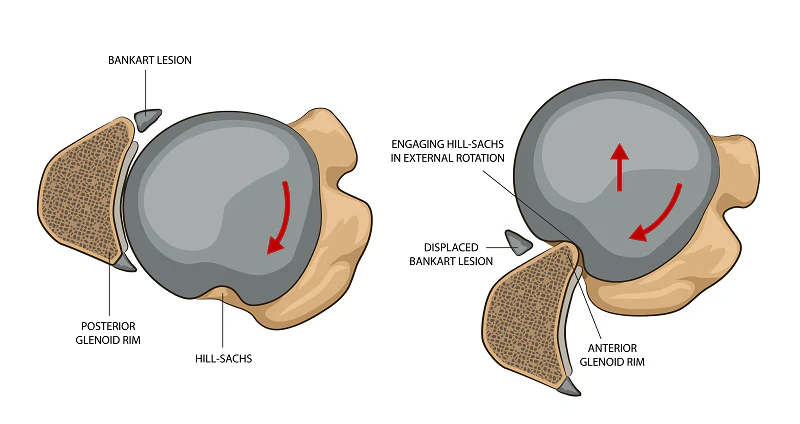
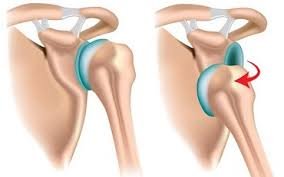
Shoulder instability commonly occurs due to sports injuries, falls, or direct trauma to the shoulder. It is frequently seen in activities involving overhead movements, such as cricket, tennis, swimming, or gym workouts. In some people, loose ligaments or previous shoulder dislocations can make the joint unstable.
Patients may experience shoulder pain, repeated dislocations, weakness, and a feeling that the shoulder may slip out of place. There may also be difficulty lifting the arm, reduced shoulder strength, and discomfort during sports or overhead activities.
Diagnosis is made through a clinical examination by an orthopedic specialist along with imaging tests such as X-rays or MRI scans. These investigations help identify ligament injuries, labral tears, or bone damage causing the instability.
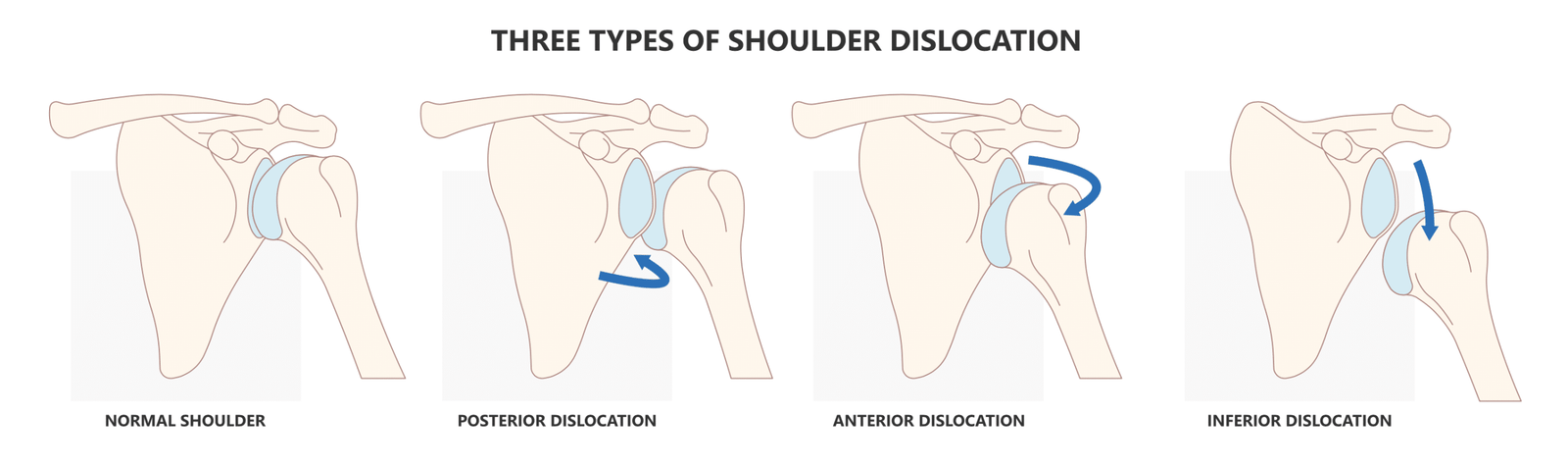
Treatment depends on the severity and frequency of dislocations. Initial treatment may include rest, physiotherapy, and strengthening exercises for the shoulder muscles. In cases of recurrent instability, arthroscopic shoulder stabilization surgery may be recommended to restore joint stability.
Recovery usually involves physiotherapy to strengthen the shoulder muscles and improve joint stability. Most patients gradually return to normal activities and sports once the shoulder regains strength and stability.
Recurrent dislocations usually occur because the first dislocation damages the labrum and ligaments, making the shoulder joint loose and prone to future episodes.
Bankart repair is an arthroscopic procedure that reattaches the torn labrum to the shoulder socket, restoring stability and preventing further dislocations.
Most patients return to sports after 4 to 6 months, once the shoulder has regained sufficient strength and stability through rehabilitation.
Mild instability may improve with strengthening exercises, but recurrent dislocations typically require surgical stabilization for a lasting solution.
Dr. Sahil Lala provides personalized treatment plans for every patient. Book your appointment today.
Get expert opinion from Dr. Sahil Lala. Click below to share your reports instantly.
Send on WhatsApp