The Posterior Cruciate Ligament (PCL) is one of the main ligaments inside the knee joint. It connects the thigh bone (femur) to the shin bone (tibia) and helps keep the knee stable. The PCL mainly prevents the shin bone from moving too far backward. Injury to the Posterior Cruciate Ligament Injury can affect normal knee movement and stability.
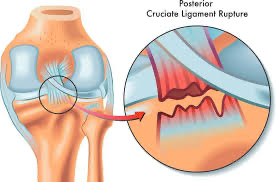
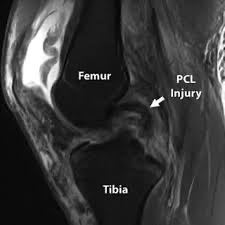
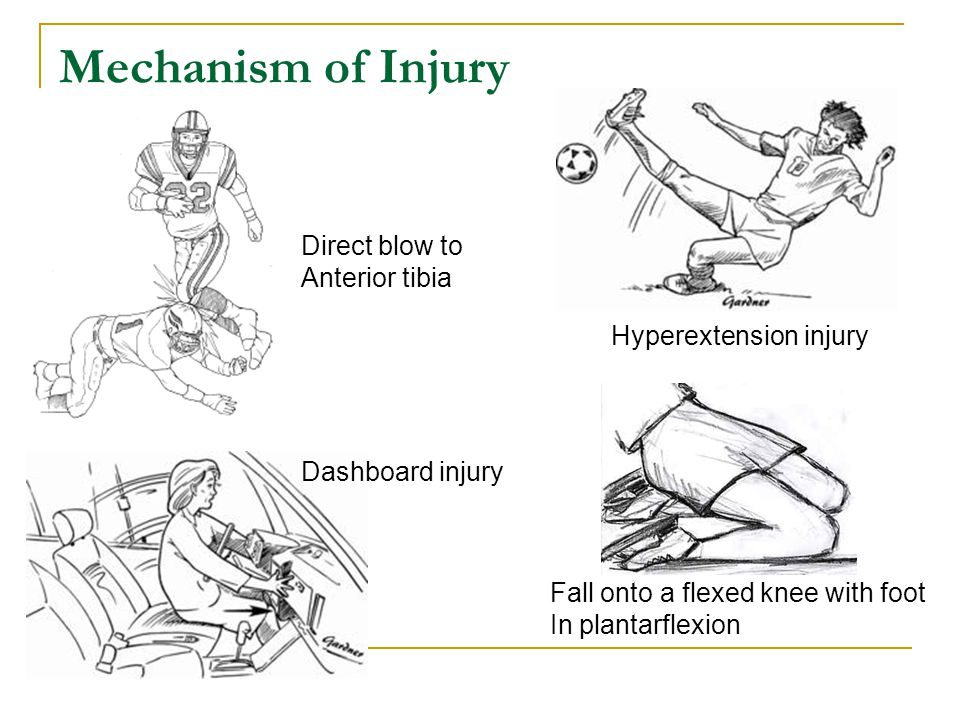
A PCL injury usually happens due to a direct impact to the front of the knee, especially when the knee is bent. This is commonly seen in road traffic accidents, sports injuries, or falls. Sports like football, cricket, and basketball may also lead to PCL injuries due to sudden force or collision.
Common symptoms include knee pain, swelling, and stiffness after the injury. Some patients feel instability or weakness in the knee, particularly while walking downhill, running, or climbing stairs. In mild injuries, symptoms may develop gradually over time.
Treatment depends on the severity of the injury and the patient's activity level. Mild PCL injuries can often be treated with rest, physiotherapy, and knee bracing. Severe injuries or persistent instability may require arthroscopic PCL reconstruction surgery to restore knee stability and function.
Rehabilitation is essential for proper recovery after a PCL injury. A structured physiotherapy program helps improve knee strength, flexibility, and stability. Most patients gradually return to normal activities within a few months, depending on the treatment and recovery progress.
PCL injuries can be equally significant, but mild PCL tears may respond better to non-surgical treatment compared to ACL tears.
The PCL prevents the shin bone from moving backward, while the ACL prevents it from moving forward. PCL injuries often result from a direct blow to the front of the knee.
Many patients can walk with a PCL tear, but they may experience instability, especially on stairs or slopes, and the knee may feel weak during activity.
Surgery is typically recommended for severe tears, combined ligament injuries, or when non-surgical treatment fails to restore knee stability.
Dr. Sahil Lala provides personalized treatment plans for every patient. Book your appointment today.
Get expert opinion from Dr. Sahil Lala. Click below to share your reports instantly.
Send on WhatsApp