The meniscus is a C-shaped piece of cartilage in the knee that acts as a shock absorber between the thigh bone (femur) and shin bone (tibia). Each knee has two menisci that help in smooth movement, stability, and protection of the knee joint. Damage to the Meniscus Tear can cause pain and difficulty in knee movement.
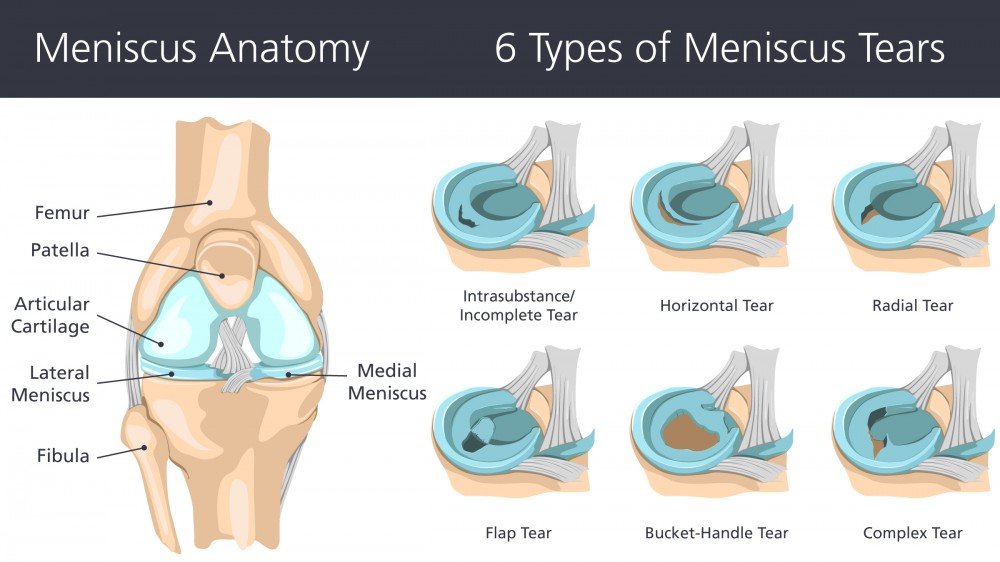
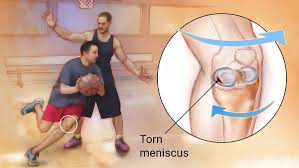
A meniscus tear commonly occurs during sports activities that involve twisting or sudden turning of the knee, such as football, cricket, or badminton. It can also occur due to sudden squatting, lifting heavy weight, or age-related wear and tear of the cartilage.
Patients may experience knee pain, swelling, stiffness, and difficulty bending or straightening the knee. Some people notice a locking or catching sensation in the knee joint. Walking, squatting, or climbing stairs may become painful.
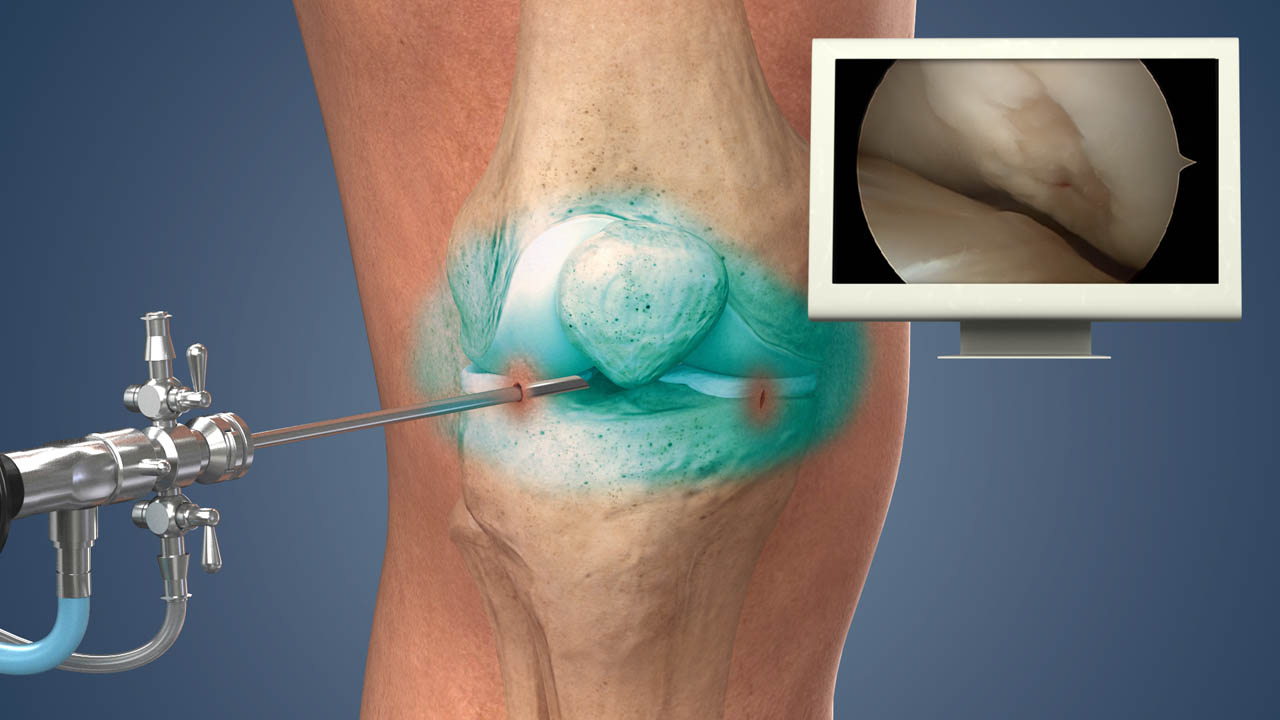
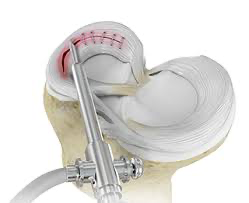
Treatment depends on the type and severity of the tear. Mild tears may improve with rest, medication, and physiotherapy. Larger tears or persistent symptoms may require arthroscopic meniscus repair or meniscus surgery to restore normal knee function.
Rehabilitation is important after a meniscus injury or surgery. Physiotherapy helps restore knee strength, flexibility, and stability. Most patients gradually return to normal activities within 4–8 weeks, depending on the treatment and recovery.
Meniscus repair stitches the torn cartilage back together, while partial removal trims away the damaged portion. Repair is preferred when the tear location and pattern allow it.
Most patients return to normal activities within 4 to 8 weeks, though recovery time varies depending on whether the meniscus was repaired or partially removed.
Small tears in the outer blood-rich zone may heal with rest and physiotherapy, but larger or complex tears usually require arthroscopic treatment.
You should avoid deep squatting, twisting movements, and high-impact sports until the tear is properly treated and healed.
Dr. Sahil Lala provides personalized treatment plans for every patient. Book your appointment today.
Get expert opinion from Dr. Sahil Lala. Click below to share your reports instantly.
Send on WhatsApp