A knee joint fracture occurs when one of the bones forming the knee joint—such as the femur (thigh bone), tibia (shin bone), or patella (kneecap)—breaks due to trauma or injury. These injuries are commonly referred to as Knee Fracture and can affect knee stability, movement, and weight-bearing ability.
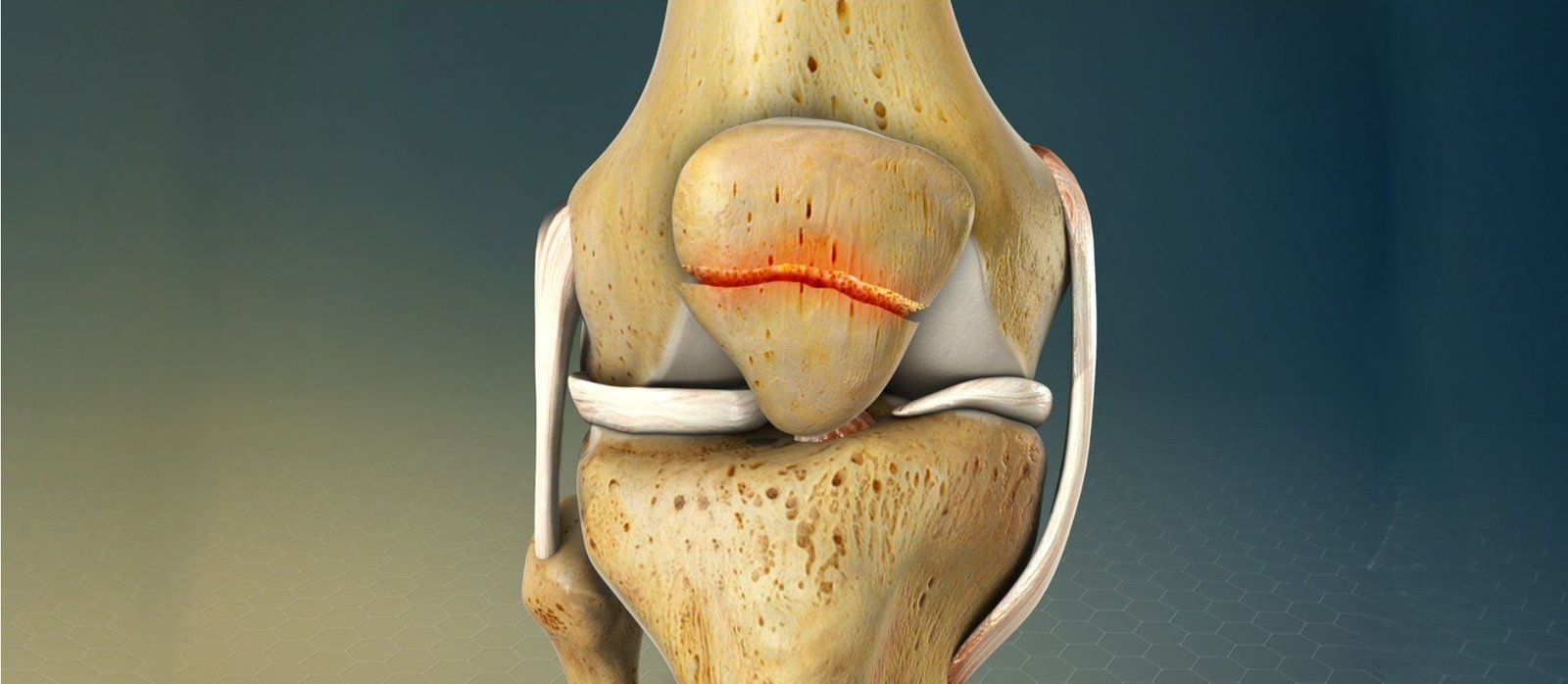
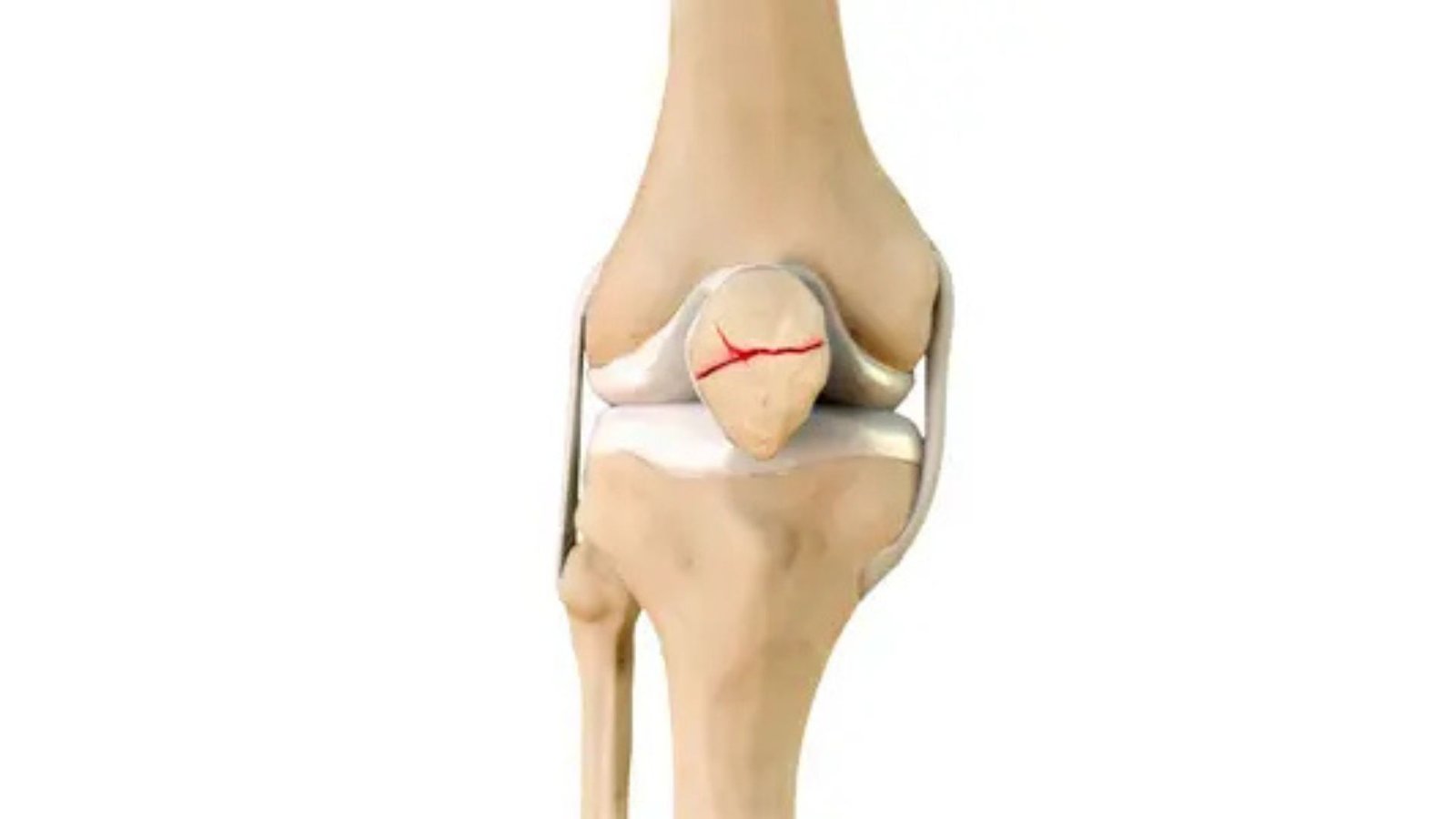
Knee fractures usually occur due to high-impact injuries such as road traffic accidents, sports injuries, or falls. In older adults, fractures may occur even after minor trauma due to weakened bones associated with Osteoporosis.
Patients may experience severe knee pain, swelling, bruising, difficulty bending or straightening the knee, and inability to bear weight on the leg. In some cases, deformity or instability of the knee joint may also be present.
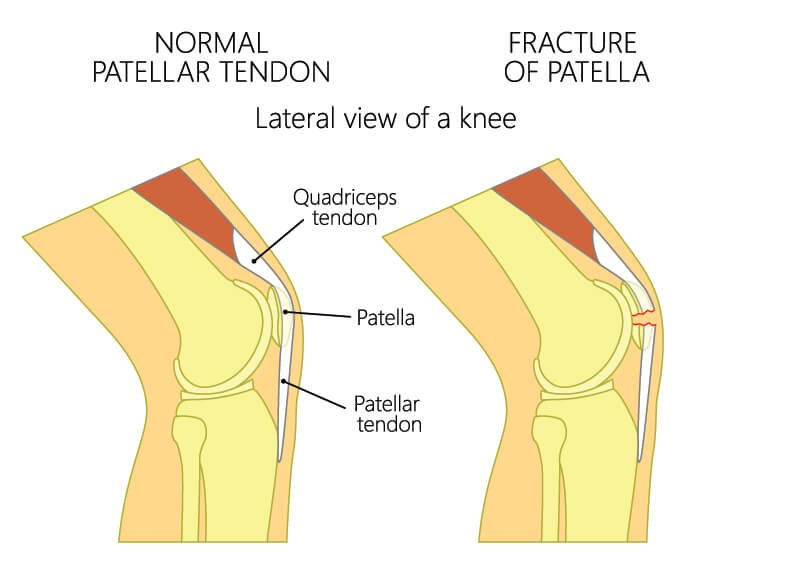
Diagnosis is made through a clinical examination by an orthopedic specialist along with imaging tests such as X-rays or CT scans. These tests help determine the type, location, and severity of the fracture, which is essential for planning the correct treatment.
Treatment depends on the type and severity of the fracture.
Rehabilitation is essential after fracture treatment to restore knee strength, mobility, and function. Physiotherapy usually begins gradually once the fracture starts healing. Most patients return to normal daily activities within a few months, depending on the severity of the injury and treatment method.
No, stable and non-displaced fractures can often be treated with immobilization and physiotherapy. Surgery is needed for displaced or complex fractures.
Most knee fractures take 6 to 12 weeks to heal, depending on the type and severity of the fracture and the treatment method used.
Weight-bearing is usually restricted initially. Your surgeon will advise when it is safe to start walking, often with crutches or a walker.
Yes, physiotherapy is essential to restore knee strength, flexibility, and function after fracture healing.
Dr. Sahil Lala provides personalized treatment plans for every patient. Book your appointment today.
Get expert opinion from Dr. Sahil Lala. Click below to share your reports instantly.
Send on WhatsApp