Knee cartilage is a smooth, protective tissue that covers the ends of the bones inside the knee joint. It helps the knee move smoothly and absorbs shock during activities like walking and running. Damage to this cartilage, known as a Articular Cartilage Injury, can cause pain and reduced knee movement.
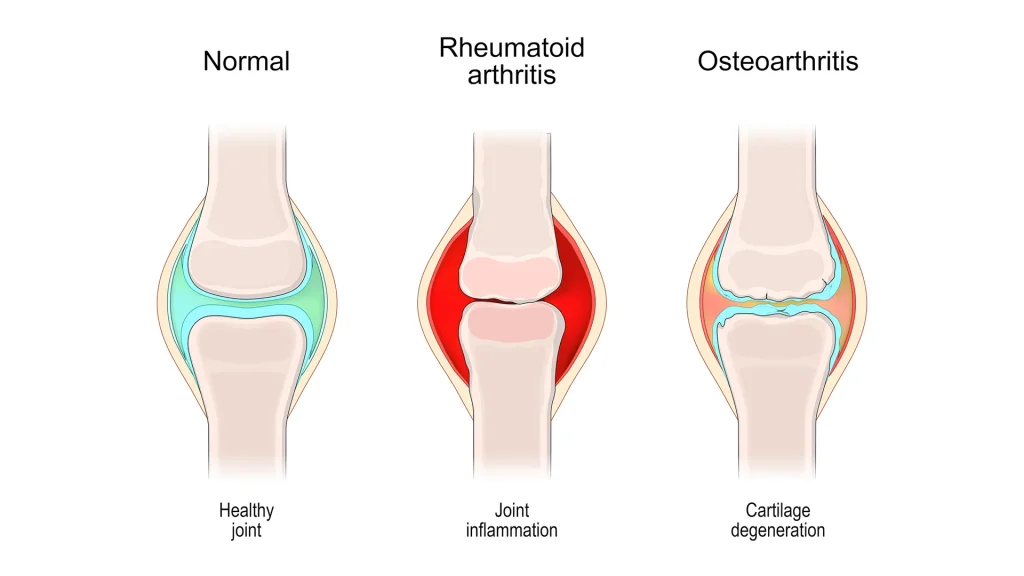
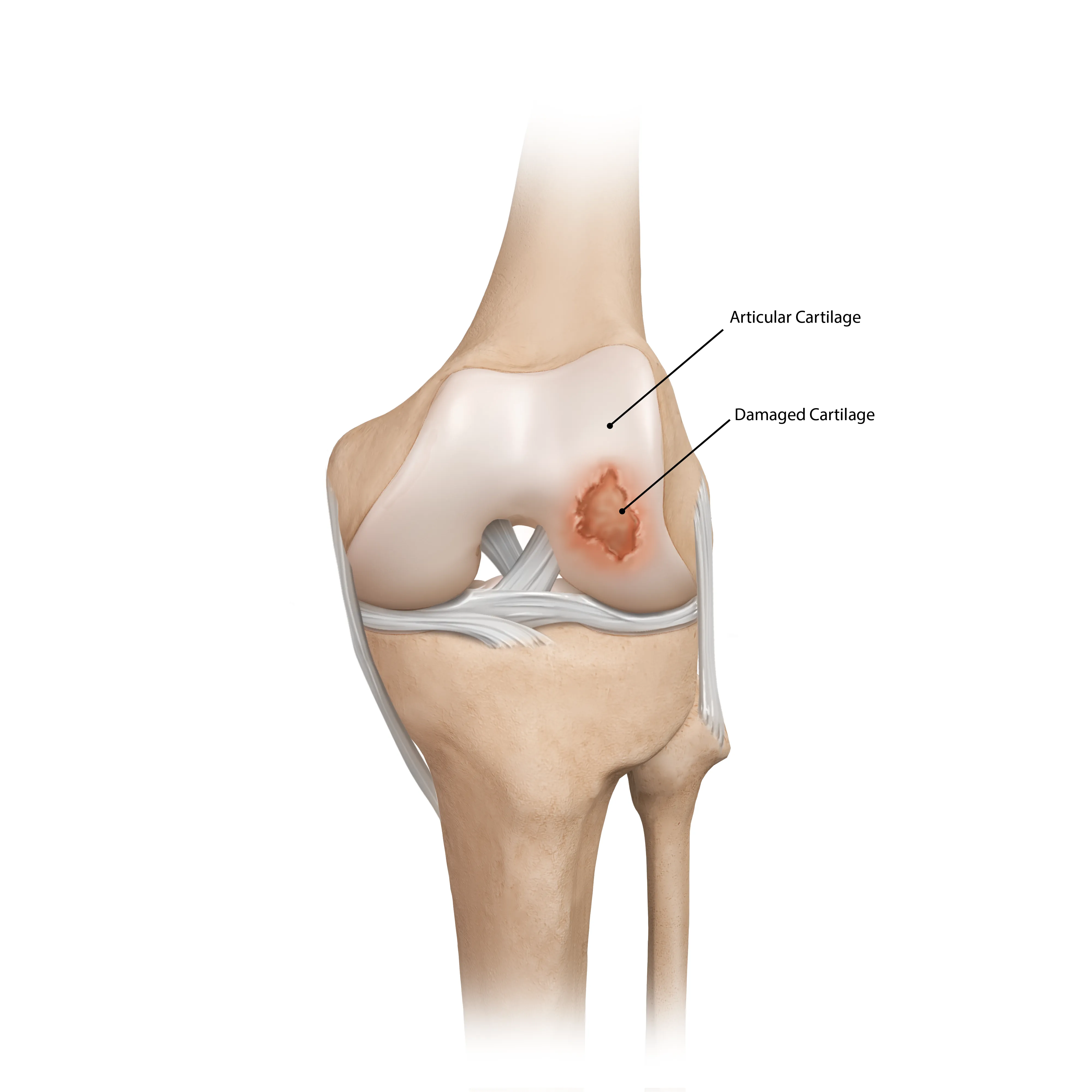
Cartilage injuries may occur due to sports injuries, sudden twisting movements, or accidents. They can also develop gradually because of wear and tear with age or repeated stress on the knee joint. Sometimes cartilage damage occurs along with ligament injuries such as ACL tears.
Patients often experience knee pain, swelling, stiffness, and difficulty moving the knee fully. Some people feel locking, catching, or grinding sensations in the knee joint. These symptoms may worsen during walking, running, or climbing stairs.
Treatment depends on the size and severity of the cartilage damage. Mild cases may improve with rest, medications, and physiotherapy. More severe injuries may require arthroscopic cartilage repair procedures, such as cartilage smoothing, microfracture surgery, or cartilage restoration techniques.
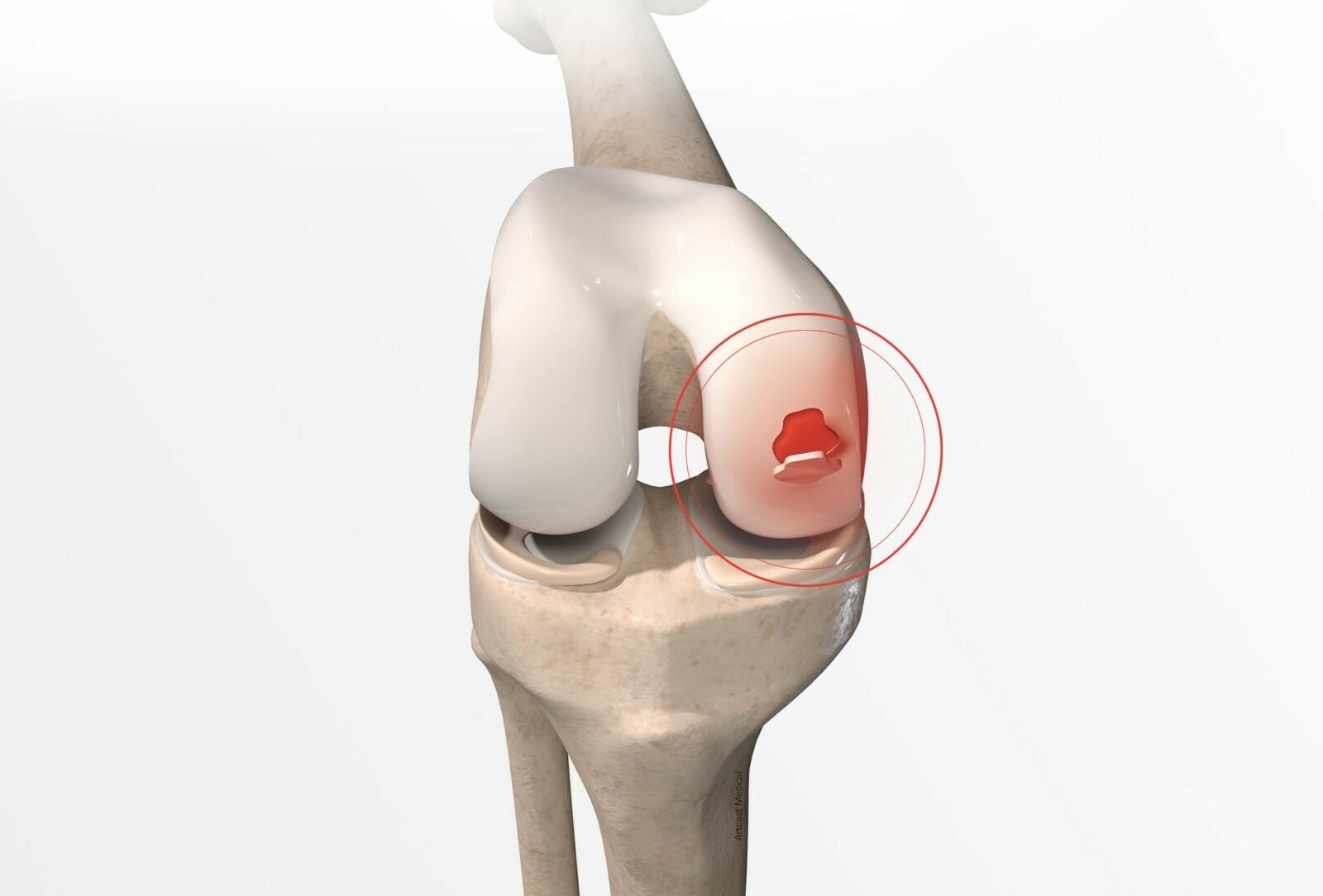
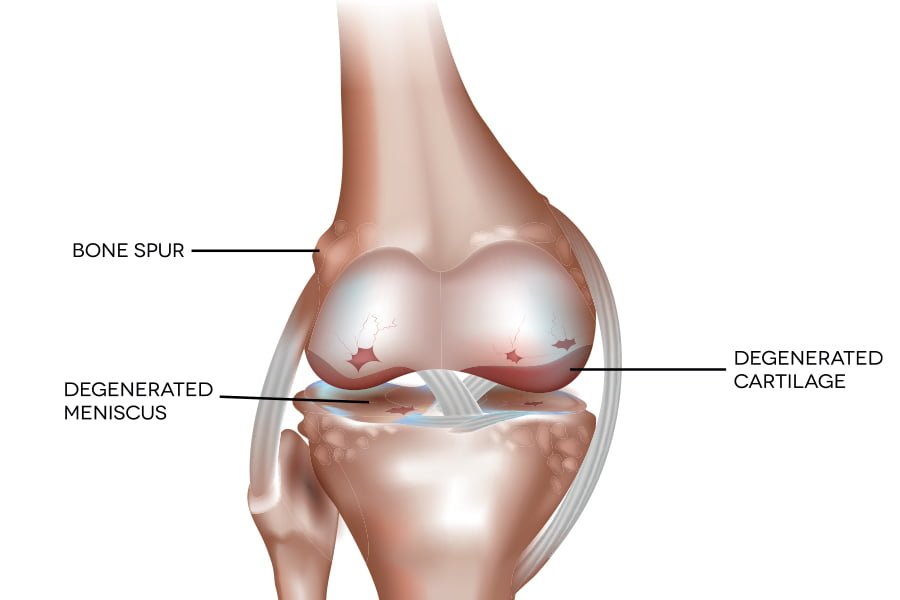
Rehabilitation plays an important role after cartilage treatment. A guided physiotherapy program helps restore knee strength, flexibility, and joint function. Recovery time varies depending on the procedure, but most patients gradually return to normal activities with proper rehabilitation.
Articular cartilage has very limited ability to heal on its own, which is why surgical procedures like microfracture or cartilage restoration may be needed.
Untreated cartilage damage can worsen over time, leading to increased pain, joint wear, and eventually arthritis.
Cartilage damage is typically diagnosed using an MRI scan and confirmed during arthroscopic examination of the knee joint.
Microfracture is a procedure where tiny holes are made in the bone beneath the damaged cartilage to stimulate the growth of new repair tissue.
Recovery varies by procedure but typically involves 6 to 12 weeks of restricted weight-bearing followed by several months of physiotherapy.
Dr. Sahil Lala provides personalized treatment plans for every patient. Book your appointment today.
Get expert opinion from Dr. Sahil Lala. Click below to share your reports instantly.
Send on WhatsApp