Knee joint preservation surgery, also called osteotomy, is a procedure used to realign the bones around the knee to reduce pressure on the damaged part of the joint. It helps preserve the natural knee and delay the need for joint replacement. This procedure is commonly used in patients with Knee Osteoarthritis affecting one side of the knee.
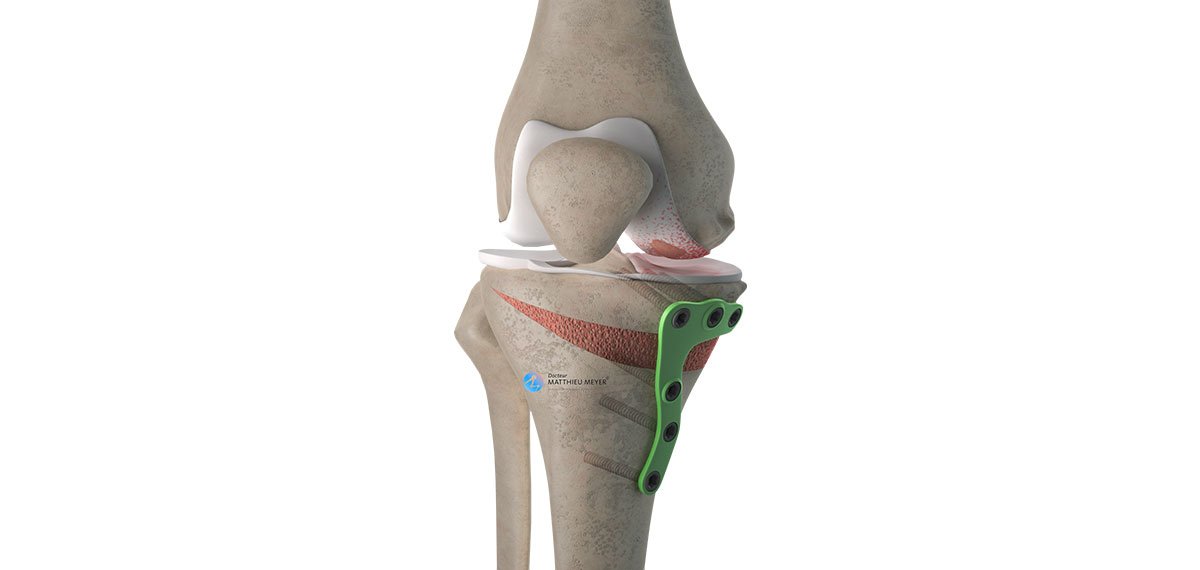
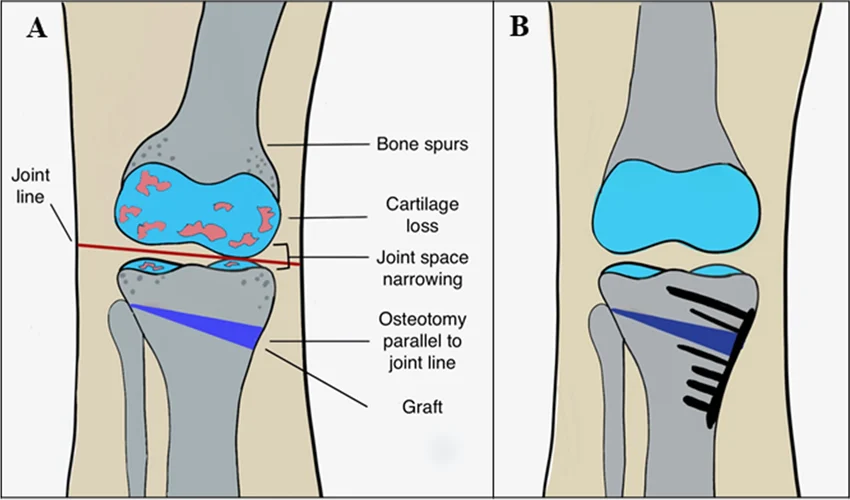
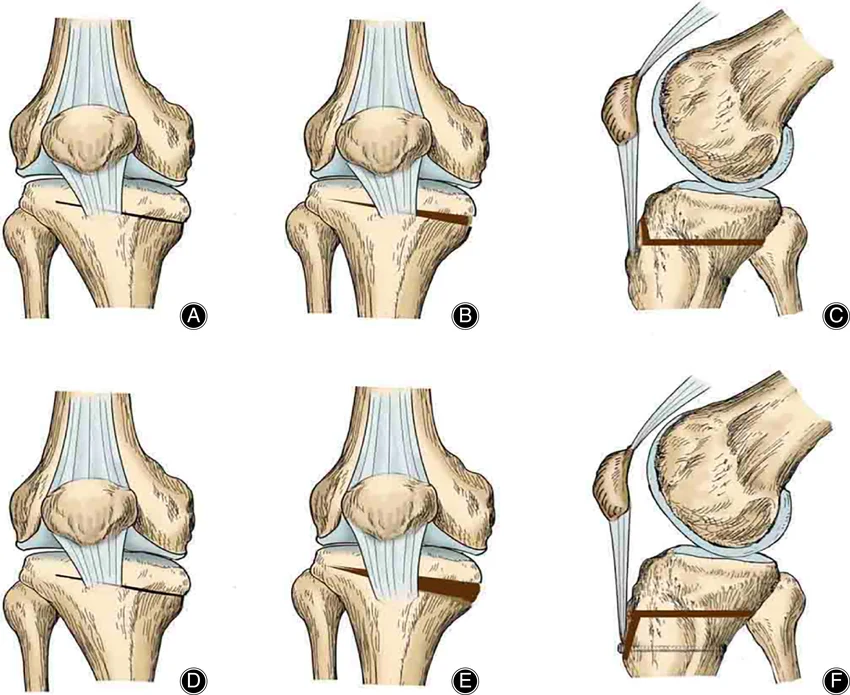
Osteotomy is usually recommended for younger or active patients with early arthritis and knee misalignment (bow legs or knock knees). When the knee alignment is corrected, the body weight shifts to the healthier part of the joint, helping reduce pain and improve knee function.
Patients who may benefit from knee joint preservation surgery often experience pain on one side of the knee, swelling, stiffness, and difficulty walking or standing for long periods. Symptoms are usually worse during physical activity, climbing stairs, or sports.
Treatment initially includes medications, physiotherapy, lifestyle modification, and supportive braces. If these measures do not relieve symptoms, knee osteotomy surgery may be advised to correct alignment and reduce joint stress, helping preserve the natural knee joint.
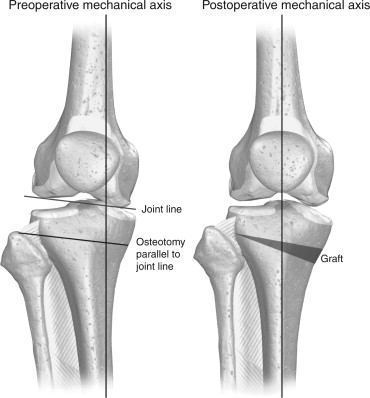
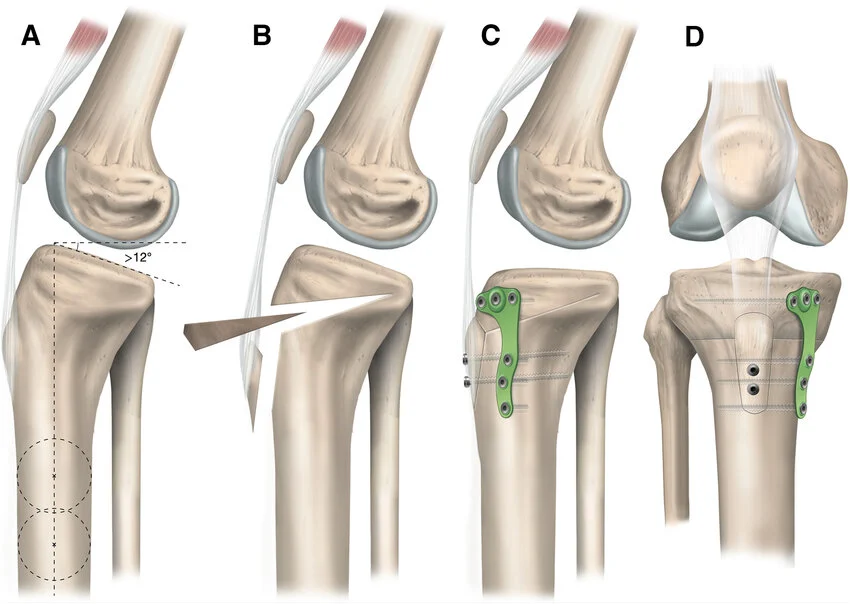
Recovery after osteotomy involves gradual weight-bearing and structured physiotherapy to restore knee strength and mobility. Most patients return to normal daily activities within a few months, while sports activities may take longer depending on recovery.
Younger, active patients with early arthritis limited to one side of the knee and good overall knee ligament stability are ideal candidates.
A successful osteotomy can delay the need for knee replacement by 10 to 15 years, depending on the patient's activity level and condition.
Osteotomy preserves your natural knee joint and is preferred for younger patients, while knee replacement is more suitable for advanced arthritis in older patients.
Most patients return to daily activities within 3 to 6 months, with gradual weight-bearing and structured physiotherapy starting soon after surgery.
Dr. Sahil Lala provides personalized treatment plans for every patient. Book your appointment today.
Get expert opinion from Dr. Sahil Lala. Click below to share your reports instantly.
Send on WhatsApp