Hip replacement surgery is a procedure in which the damaged parts of the hip joint are replaced with artificial implants to relieve pain and restore movement. It is commonly recommended for severe joint damage caused by conditions such as Hip Osteoarthritis or Avascular Necrosis when non-surgical treatments are no longer effective.
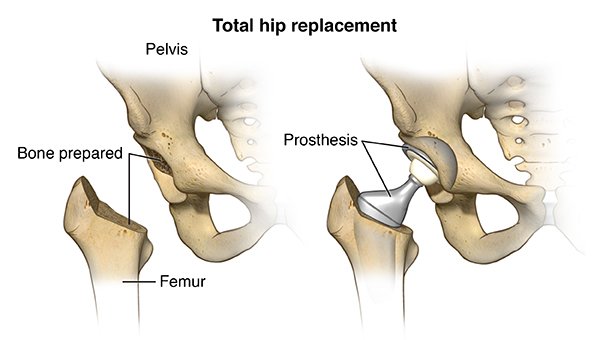
Hip replacement may be advised for patients who have severe hip pain, stiffness, and difficulty walking or performing daily activities. It is commonly recommended for advanced arthritis, fractures of the hip joint, or AVN of the hip, especially when medications and physiotherapy fail to provide relief.
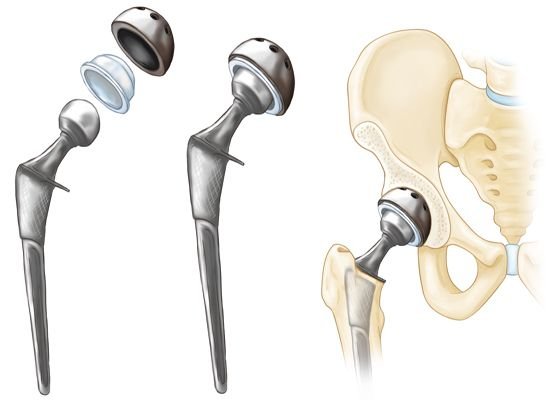
AVN of the hip occurs when the blood supply to the femoral head (ball of the hip joint) is reduced or completely blocked. This causes the bone to weaken and collapse over time, leading to pain, stiffness, and loss of hip movement. In advanced stages, hip replacement surgery may be required to restore joint function.
Patients may experience persistent hip or groin pain, stiffness, difficulty walking, limping, and reduced range of motion. Pain may worsen during walking, climbing stairs, or standing for long periods.
The main types include:
Your orthopedic surgeon will recommend the most suitable option based on the extent of joint damage and underlying condition.
Most patients begin walking with support within 1–2 days after surgery. With proper physiotherapy and rehabilitation, many patients return to daily activities within 4–6 weeks, while complete recovery may take several months.
Hip replacement surgery helps relieve chronic hip pain, improve mobility, correct limping, and restore the ability to perform daily activities comfortably. Modern implants provide long-lasting results and improved quality of life.
Modern hip replacement implants can last 20 to 25 years or longer with proper care and regular follow-up.
Avascular necrosis (AVN) occurs when bone tissue dies due to poor blood supply. In advanced stages, the hip joint collapses and replacement surgery is needed to restore function.
Most patients begin walking with support within 1 to 2 days after surgery and gradually progress to independent walking over a few weeks.
Patients should avoid crossing legs, sitting on low chairs, and excessive bending at the hip for the first few months to prevent dislocation.
Yes, hip replacement is a safe and effective procedure for elderly patients when performed by an experienced surgeon with proper pre-operative evaluation.
Dr. Sahil Lala provides personalized treatment plans for every patient. Book your appointment today.
Get expert opinion from Dr. Sahil Lala. Click below to share your reports instantly.
Send on WhatsApp