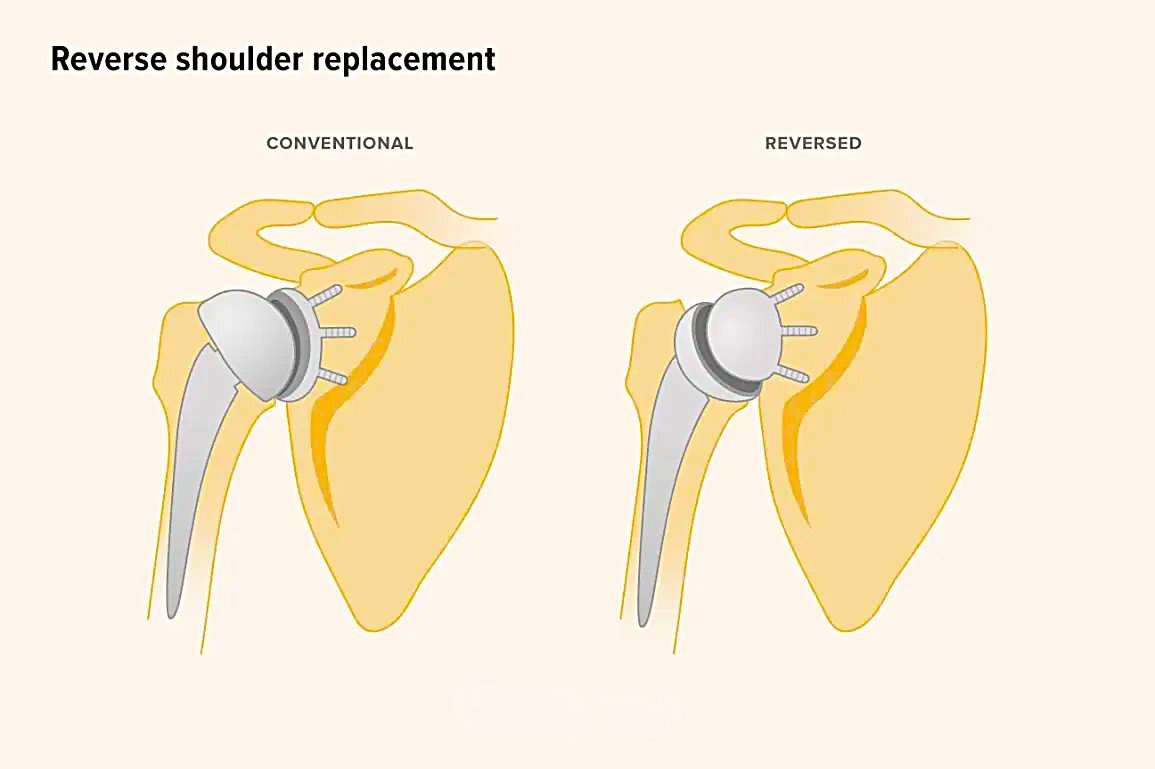
Reverse shoulder replacement is a type of shoulder replacement surgery in which the normal ball-and-socket structure of the shoulder joint is reversed. The artificial ball is placed on the shoulder blade and the socket is placed on the upper arm bone. This procedure is commonly performed for severe Rotator Cuff Tear Arthropathy when the rotator cuff muscles are no longer functioning properly.
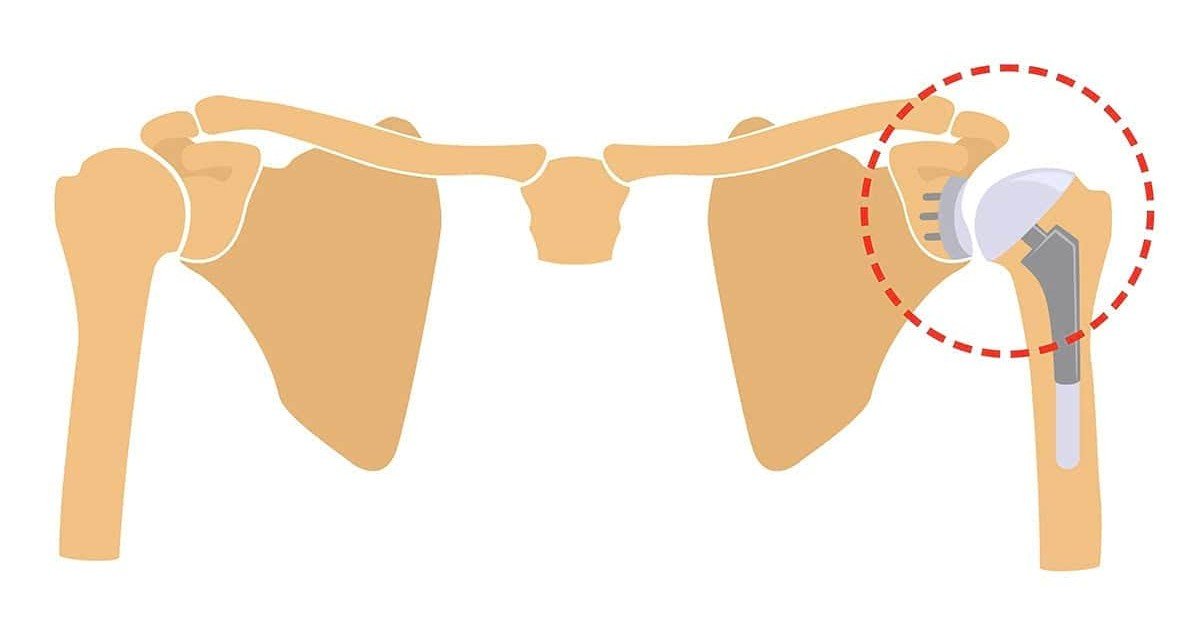
Reverse shoulder replacement is usually recommended for patients with severe shoulder pain, weakness, and limited arm movement that does not improve with medications, physiotherapy, or other treatments. It is commonly advised in cases of massive rotator cuff tears, advanced shoulder arthritis, or complex shoulder fractures.
Patients may experience persistent shoulder pain, difficulty lifting the arm, weakness in the shoulder, and limited range of motion. Daily activities such as combing hair, reaching overhead, or lifting objects may become difficult.
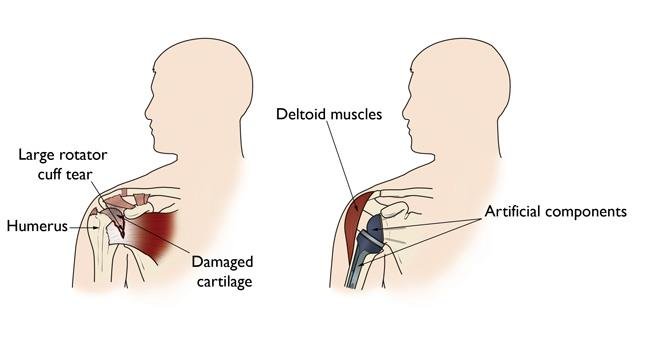
During the surgery, the damaged parts of the shoulder joint are replaced with specialized artificial implants. By reversing the joint structure, the deltoid muscle helps lift the arm instead of the damaged rotator cuff tendons, improving shoulder movement and stability.
After surgery, the arm is usually supported in a shoulder sling for a few weeks. A structured physiotherapy program is started gradually to restore shoulder strength and mobility. Most patients can return to daily activities within 6–12 weeks, with continued improvement over several months.
The surgery helps reduce shoulder pain, improve arm movement, and restore the ability to perform daily activities. It is particularly effective for patients who cannot benefit from traditional shoulder replacement due to severe rotator cuff damage.
In a reverse replacement, the ball and socket positions are switched, allowing the deltoid muscle to power arm movement instead of the damaged rotator cuff.
It is recommended for patients with severe rotator cuff damage combined with arthritis, or complex shoulder fractures where standard replacement would not work.
Modern reverse shoulder implants can last 15 to 20 years or more with proper care and activity modification.
Risks include infection, implant loosening, nerve injury, and dislocation, but these are uncommon when the procedure is performed by an experienced surgeon.
Most patients use a sling for 4 to 6 weeks and gradually return to daily activities within 3 months with structured physiotherapy.
Dr. Sahil Lala provides personalized treatment plans for every patient. Book your appointment today.
Get expert opinion from Dr. Sahil Lala. Click below to share your reports instantly.
Send on WhatsApp