Knee replacement surgery is a procedure in which a damaged or worn-out knee joint is replaced with an artificial implant to restore movement and relieve pain. It is commonly performed for patients with severe Knee Osteoarthritis when other treatments no longer provide relief. The goal is to help patients walk comfortably and improve their quality of life.
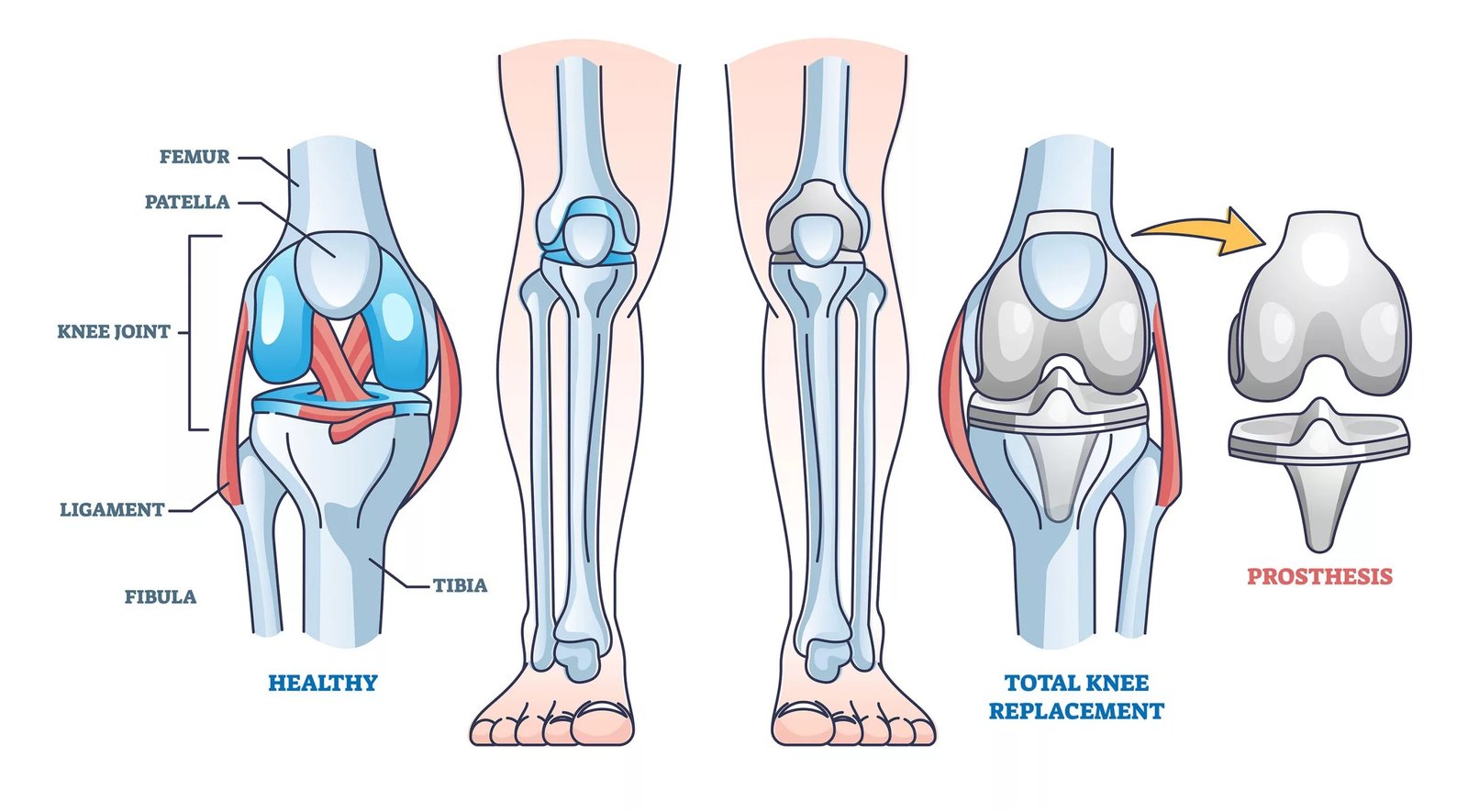
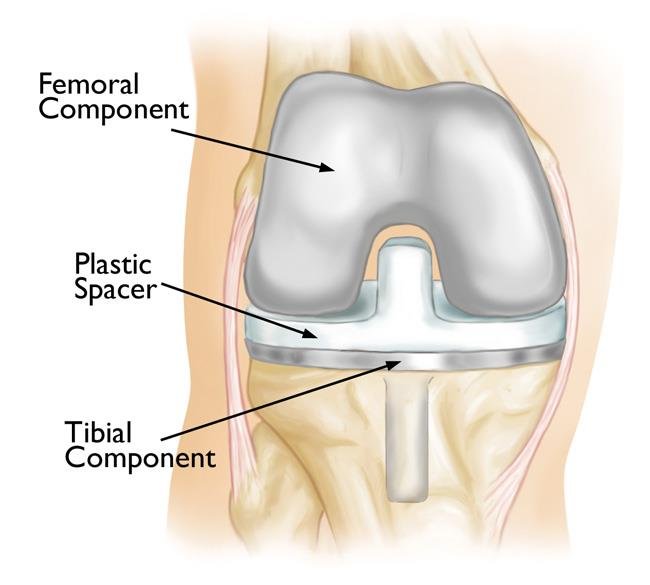
Knee replacement may be recommended for patients who have severe knee pain, stiffness, and difficulty performing daily activities such as walking, climbing stairs, or standing for long periods. It is usually considered when medications, physiotherapy, and injections fail to relieve symptoms.
Patients with advanced knee arthritis often experience persistent knee pain, swelling, stiffness, and reduced range of motion. The pain may worsen during walking or physical activity and sometimes even occur at rest or during sleep.
The common types include:
Your surgeon will recommend the most suitable option based on the extent of joint damage.
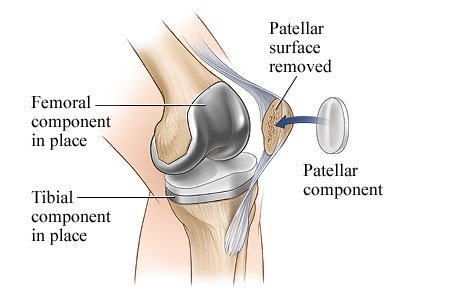
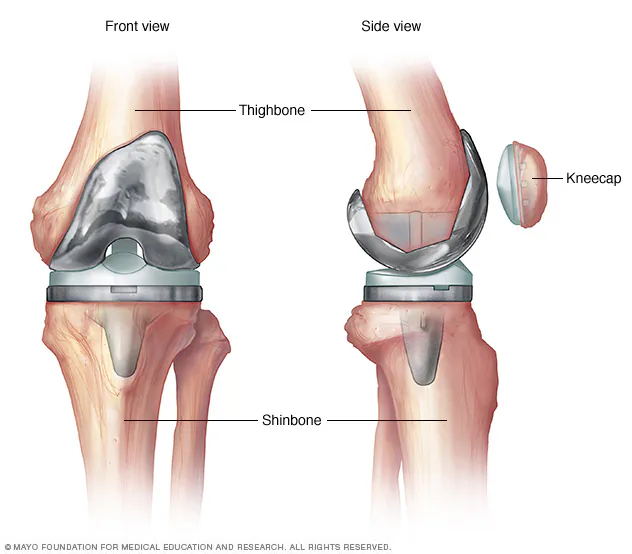
Most patients start walking with support within 1–2 days after surgery. With proper physiotherapy and rehabilitation, many patients return to normal daily activities within 4–6 weeks, while full recovery may take a few months.
Knee replacement is considered a safe and highly successful procedure when performed by an experienced orthopedic surgeon. Modern surgical techniques and implants provide long-lasting pain relief and improved mobility for most patients.
You should consult a knee specialist if you have chronic knee pain, difficulty walking, swelling, or stiffness that affects daily life. Early evaluation helps determine the best treatment option and may prevent further joint damage.
Modern knee replacement implants typically last 15 to 25 years or longer with proper care and regular follow-up.
Pain is well managed with modern anesthesia and pain relief protocols. Most patients experience significant pain relief once the initial surgical recovery period is over.
Total knee replacement replaces the entire knee joint, while partial replacement only replaces the damaged portion, preserving healthy bone and ligaments.
Most patients begin walking with support within 1 to 2 days after surgery and gradually progress to independent walking over a few weeks.
There is no fixed age. The decision is based on the severity of pain, joint damage, and how much it affects your daily life, regardless of age.
Dr. Sahil Lala provides personalized treatment plans for every patient. Book your appointment today.
Get expert opinion from Dr. Sahil Lala. Click below to share your reports instantly.
Send on WhatsApp