Patellar instability is a condition in which the kneecap (patella) moves out of its normal groove in the thigh bone. The kneecap may partially slip out or completely dislocate, causing pain and instability. This condition is medically known as Patellar Instability.
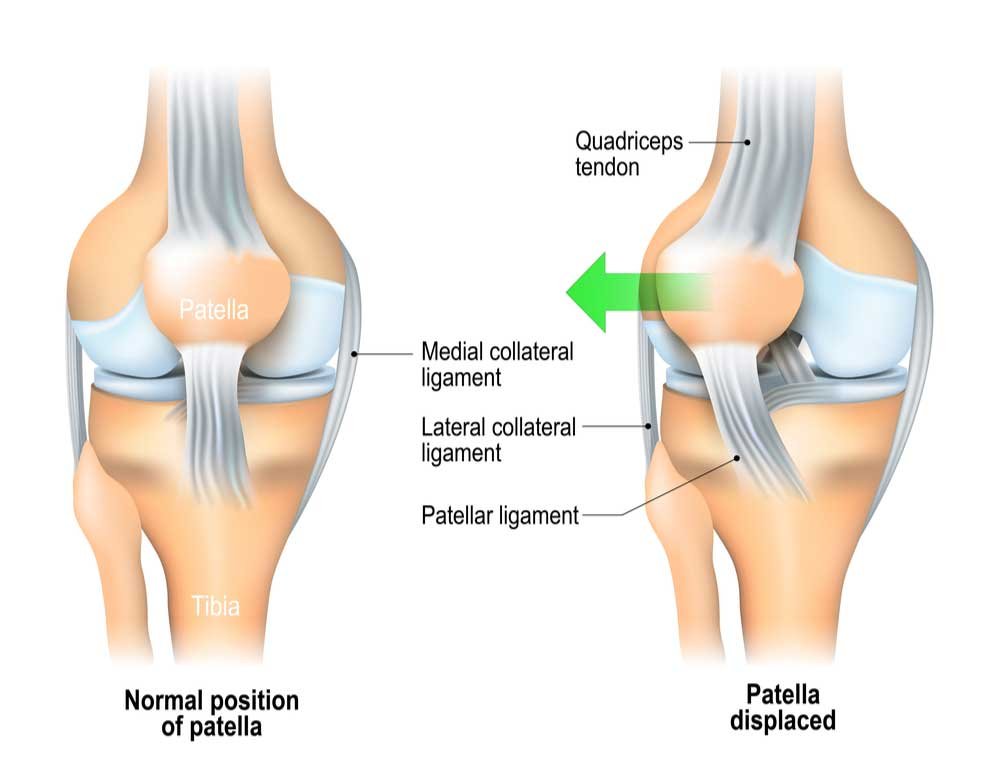
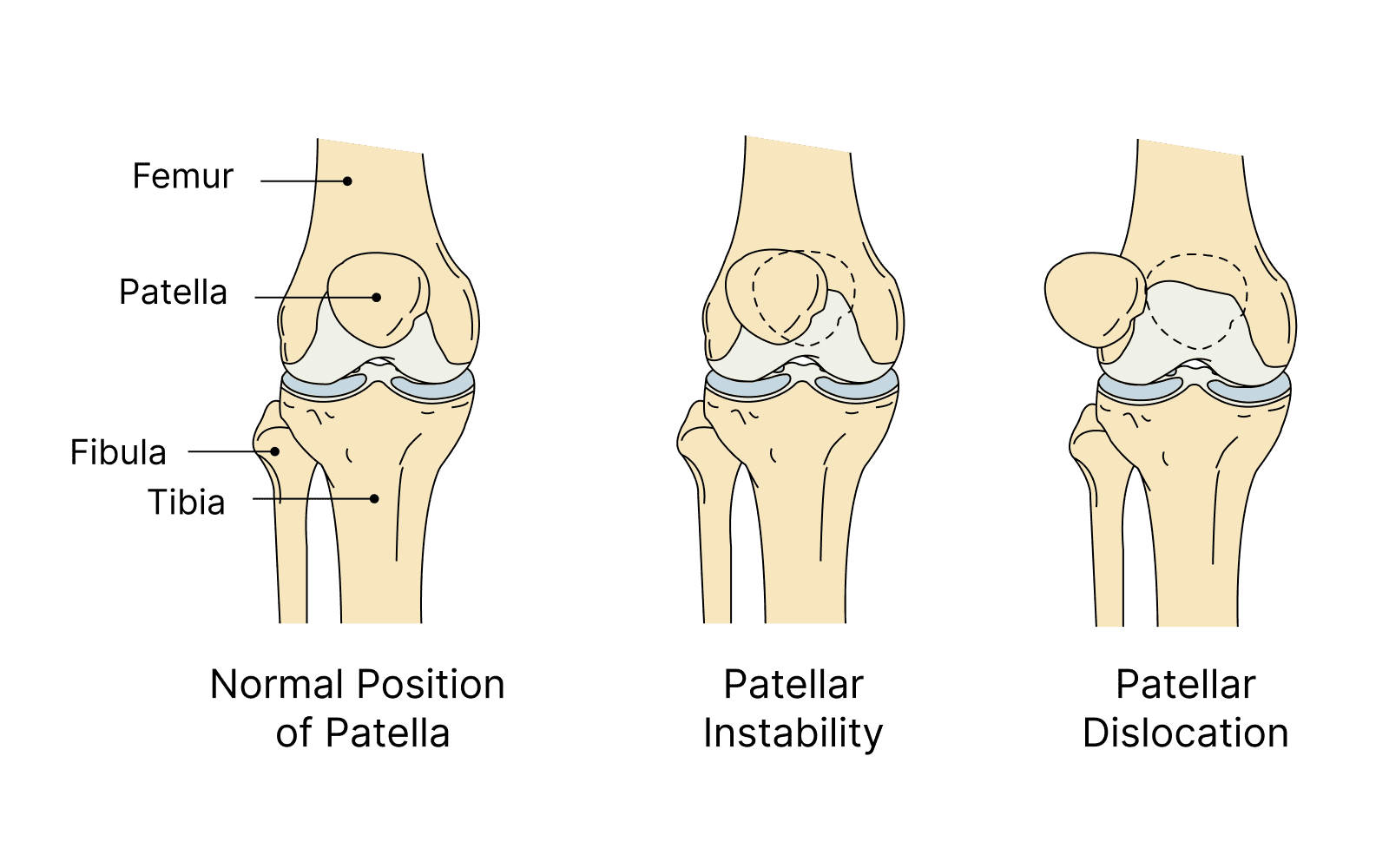
Patellar instability can occur due to sports injuries, sudden twisting of the knee, direct trauma, weak thigh muscles, or loose ligaments. Some individuals may also have anatomical factors that make the kneecap more likely to dislocate.
Patients may experience pain in the front of the knee, swelling, a feeling that the kneecap is slipping out, and difficulty with activities like climbing stairs, squatting, or running. Recurrent kneecap dislocation may also lead to knee weakness.
Diagnosis is made through clinical examination by a knee specialist along with imaging tests such as X-rays or MRI scans. These tests help evaluate the position of the kneecap and detect any ligament or cartilage damage.
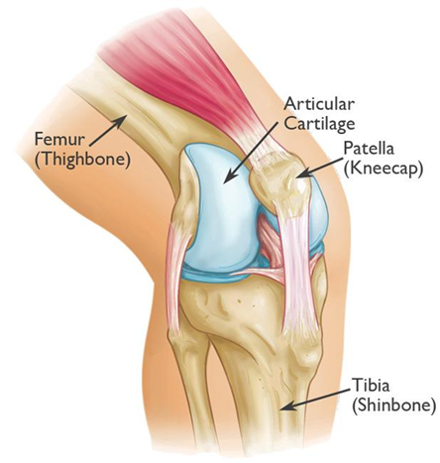
Treatment depends on the severity of the condition. Mild cases may improve with physiotherapy, strengthening exercises, and knee bracing. Recurrent dislocations may require arthroscopic surgery or ligament reconstruction to stabilize the kneecap.
Strengthening the quadriceps and surrounding knee muscles, maintaining good flexibility, and using proper sports techniques can help reduce the risk of kneecap dislocation.
Recurrent kneecap dislocation is often caused by weak thigh muscles, loose ligaments, or anatomical factors that make the patella prone to slipping out of its groove.
First-time dislocations are often treated with bracing and physiotherapy, but recurrent dislocations may require surgical stabilization.
Common procedures include MPFL reconstruction, which rebuilds the ligament that holds the kneecap in place, often done arthroscopically.
Most patients return to daily activities within 6 to 8 weeks, with full recovery and return to sports taking 4 to 6 months.
Dr. Sahil Lala provides personalized treatment plans for every patient. Book your appointment today.
Get expert opinion from Dr. Sahil Lala. Click below to share your reports instantly.
Send on WhatsApp